Red lentil soup with cumin, carrot and lemon
An easy red lentil soup recipe with onion, carrot, tomato and cumin: why red lentils need no soaking and turn creamy, thickness, lemon and freezing.
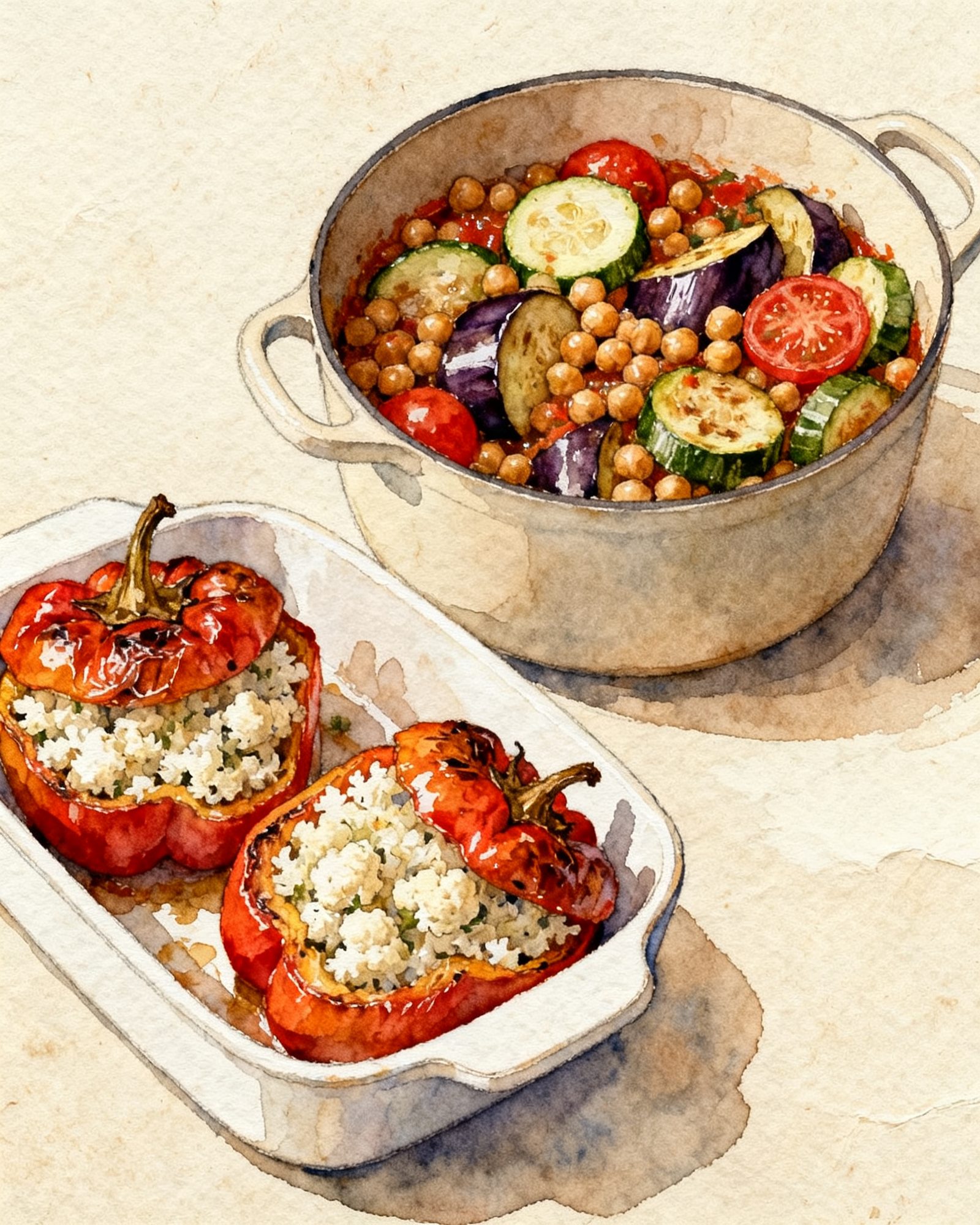
Makes About 8 to 9 cups, 6 servings
Ingredients
- 2 tbsp olive oil
- 1 large (about 150 g) yellow onion, diced
- 2 large (about 145 g) carrots, peeled and diced
- 3 cloves (about 9 g) garlic, minced
- 2 tsp ground cumin
- 1 tsp smoked or sweet paprika
- 1/2 tsp ground turmeric
- 1 1/2 cups (290 g) dry red lentils, picked over and rinsed (nutrition from USDA's general raw lentil record, because its red lentil record has no sugars value)
- 4 cups (960 ml) vegetable broth
- 2 cups (480 ml) water, plus more to thin
- 8 oz (225 g) canned crushed tomatoes, about 1 cup
- 1/2 tsp fine salt, plus more to taste
- 1/4 tsp ground black pepper
- 2 tbsp lemon juice, from about 1 lemon
To serve
- 2 tbsp chopped fresh parsley (optional)
Equipment
- 4- to 5-quart pot with a lid
- Fine-mesh sieve
- Immersion blender or countertop blender (optional)
Method
Put the lentils in a fine-mesh sieve, pick out any small stones or shriveled lentils, and rinse under cold running water, rubbing them with your fingers, until the water runs mostly clear. They do not need soaking.
Heat the olive oil in a 4- to 5-quart pot over medium heat. Add the onion and carrots and cook, stirring occasionally, until the onion is soft and translucent, 6 to 8 minutes.
Add the garlic, cumin, paprika and turmeric and stir for about 1 minute, until fragrant.
Add the lentils, broth, water, salt and pepper. Bring to a boil over high heat, then reduce the heat to a gentle simmer, set the lid ajar, and cook, stirring every 5 minutes or so and scraping the bottom, until the lentils are completely soft and falling apart and the carrots are tender, 15 to 20 minutes.
Stir in the crushed tomatoes and simmer, uncovered, stirring often so the thick soup does not catch on the bottom, until the tomato no longer tastes raw, about 10 minutes. The tomatoes go in only once the lentils are soft, because acidic ingredients can keep legumes from softening.
For a smoother soup, blend part or all of it with an immersion blender. If you use a countertop blender, fill it no more than half full, remove the center cap of the lid and cover the opening with a folded towel, because hot liquid expands as it blends.
Off the heat, stir in the lemon juice. If the soup is thicker than you like, thin it with hot water a splash at a time. Taste, add more salt if needed, and serve hot, sprinkled with parsley if you like. Refrigerate leftovers within 2 hours.
Nutrition per serving
| Calories | 260 |
|---|---|
| Total fat | 6 g |
| Saturated fat | 1 g |
| Carbohydrate | 41 g |
| Fiber | 7 g |
| Total sugars | 6 g |
| Protein | 14 g |
| Sodium | 730 mg |
| Calcium | 60 mg |
| Iron | 4.6 mg |
Per serving, calculated from USDA FoodData Central values for the ingredients and amounts listed, leaving out the optional ingredients. Calories, fat, carbohydrate, fiber, sugars, protein and sodium are rounded with the FDA Nutrition Facts label rules; calcium is shown to the nearest 10 mg and iron to the nearest 0.1 mg. Brands differ, so treat the figures as estimates.
How these numbers were calculated
Each ingredient as weighed for the calculation and the USDA FoodData Central record its nutrients come from. Where USDA has no record for an ingredient (vegan butter, nutritional yeast, coconut sugar), the closest generic record is used and named here.
| Ingredient | Grams | USDA record |
|---|---|---|
| 2 tbsp olive oil | 27 g | FDC 171413: Oil, olive, salad or cooking (SR Legacy). Weight from: USDA portion '1 tablespoon' |
| 1 large (about 150 g) yellow onion, diced | 150 g | FDC 170000: Onions, raw (SR Legacy). Weight from: USDA portion '1 large' |
| 2 large (about 145 g) carrots, peeled and diced | 144 g | FDC 170393: Carrots, raw (SR Legacy). Weight from: USDA portion '1 large (7-1/4" to 8-/1/2" long)' |
| 3 cloves (about 9 g) garlic, minced | 9 g | FDC 169230: Garlic, raw (SR Legacy). Weight from: USDA portion '1 clove' |
| 2 tsp ground cumin | 4.2 g | FDC 170923: Spices, cumin seed (SR Legacy). Weight from: USDA portion '1 tsp, whole' |
| 1 tsp smoked or sweet paprika | 2.3 g | FDC 171329: Spices, paprika (SR Legacy). Weight from: USDA portion '1 tsp' |
| 1/2 tsp ground turmeric | 1.5 g | FDC 172231: Spices, turmeric, ground (SR Legacy). Weight from: USDA portion '1 tsp' |
| 1 1/2 cups (290 g) dry red lentils, picked over and rinsed (nutrition from USDA's general raw lentil record, because its red lentil record has no sugars value) | 288 g | FDC 172420: Lentils, raw (SR Legacy). Weight from: USDA portion '1 cup' |
| 4 cups (960 ml) vegetable broth | 884 g | FDC 171583: Soup, vegetable broth, ready to serve (SR Legacy). Weight from: USDA portion '1 cup' |
| 2 cups (480 ml) water, plus more to thin | 480 g | FDC 2710707: Water, tap (FNDDS 2021-2023). Weight from: USDA portion '1 cup' |
| 8 oz (225 g) canned crushed tomatoes, about 1 cup | 226.8 g | FDC 170501: Tomatoes, crushed, canned (SR Legacy). Weight from: 1 oz = 28.35 g |
| 1/2 tsp fine salt, plus more to taste | 3 g | FDC 173468: Salt, table (SR Legacy). Weight from: USDA portion '1 tsp' |
| 1/4 tsp ground black pepper | 0.6 g | FDC 170931: Spices, pepper, black (SR Legacy). Weight from: USDA portion '1 tsp, ground' |
| 2 tbsp lemon juice, from about 1 lemon | 30.5 g | FDC 167747: Lemon juice, raw (SR Legacy). Weight from: USDA portion '1 cup' (1 cup = 16 tbsp = 48 tsp) |
| 2 tbsp chopped fresh parsley (optional) | not counted (optional) | FDC 170416: Parsley, fresh (SR Legacy). Weight from: USDA portion '1 tbsp' |
Red lentil soup is a quick, pantry-friendly soup: red lentils simmered with onion, carrot, garlic and warm spices until they fall apart into a thick, creamy, golden-orange soup, finished with tomato and a squeeze of lemon. It needs no soaking, no stock made from scratch and no cream; the lentils thicken it on their own. The recipe on the card above takes about an hour from the first chop to the bowl, and most of that is unattended simmering.
Why red lentils need no soaking
Soaking is for whole dried beans, which take a long time to soften. The University of Nebraska-Lincoln Extension notes that lentils, split peas and black-eyed peas do not need to be soaked, and red lentils are among the fastest of all. They are usually sold hulled and split, so there is no seed coat to slow down the water and each half is thin. Rinse them in a fine-mesh sieve, rubbing them with your fingers, to wash off dust and loose starch, and pick out anything that is not a lentil: small stones and bits of chaff turn up now and then in any dried legume.
How red lentils break down
Brown and green lentils keep their shape when cooked because the seed coat holds each lentil together. Red lentils have lost theirs, so as they absorb liquid they swell, soften and then collapse. After 15 to 20 minutes of simmering they are completely soft, and with a little stirring they dissolve into the broth and thicken it. That is why the soup tastes creamy without any dairy or added thickener, and why red lentils are the wrong choice when you want distinct whole lentils. Expect the color to change as well: the bright orange of the dry lentils fades to golden yellow as they cook, and the tomato and paprika then warm it toward orange again. A duller, more yellow soup is normal, not a sign that something went wrong.
It also means the soup needs stirring. As the lentils break down they settle and can stick to the bottom of the pot, so stir every few minutes and scrape the bottom with a wooden spoon or spatula. Keep the heat at a gentle simmer, with the lid ajar, so the soup bubbles lazily rather than spitting.
Why the tomatoes and lemon go in late
The tomatoes are added only once the lentils are soft. The University of Nebraska-Lincoln Extension advises adding acidic foods such as tomatoes, lemon juice and vinegar after beans are cooked, because they can prevent beans from becoming tender. Red lentils cook so fast that many recipes add tomato at the start, but adding it after the lentils have collapsed makes sure they soften fully first, and the tomato still has about 10 minutes to lose its raw edge.
The lemon juice goes in off the heat, at the very end. Lentil soup is earthy and mild, and a little acid sharpens the cumin and paprika and makes the whole pot taste brighter. Lemon loses its fresh flavor with long cooking, so stir it in just before serving, and add a fresh squeeze when you reheat leftovers.
Getting the thickness right
The card uses 6 cups of liquid for 1 1/2 cups of lentils, which gives a soup that coats a spoon but still pours. You can adjust it either way:
- Thinner: add hot water or broth a splash at a time, then taste for salt.
- Thicker: simmer uncovered for a few extra minutes, stirring often.
- Smoother: blend part of the soup with an immersion blender for a creamy soup that still has some texture, or all of it for a velvety purée. In a countertop blender, fill the jar no more than half full and vent the lid, because hot liquid expands as it blends.
The soup thickens as it stands and sets almost solid in the refrigerator. That is normal; leftovers just need thinning as they reheat.
Substitutions and variations
- Broth: vegetable broth gives the fullest flavor. With all water, add more salt at the end, tasting as you go.
- Spices: a teaspoon of grated fresh ginger with the garlic, or a pinch of red pepper flakes, both suit the soup. Mild curry powder can replace the cumin and turmeric.
- Greens: stir a few handfuls of baby spinach or chopped kale into the hot soup at the end and let them wilt.
- Coconut: swirl a few spoonfuls of canned coconut milk into the finished soup for a richer, rounder flavor.
- A spiced oil to finish: warm a little olive oil with red pepper flakes or dried mint and drizzle it over each bowl.
- Turkish-style: red lentil soup is a staple across Turkey and the Middle East, often blended completely smooth and served with lemon wedges. For a version closer to that, simmer one peeled, diced potato with the lentils, blend the whole pot, and finish each bowl with the paprika or dried-mint oil above.
- What does not work the same: brown or green lentils hold their shape and take longer to cook, so they make a brothy soup with whole lentils rather than a creamy one. Yellow split peas also break down, but more slowly.
Pressure cooker and slow cooker versions
Electric pressure cooker
Red lentils cook so quickly on the stove that a pressure cooker saves less time than it does for beans, once heating up and releasing pressure are counted, but it frees you from stirring. Use the sauté setting to cook the onion and carrots, then the garlic and spices, exactly as in steps 2 and 3. Add the lentils, broth, water, salt and pepper, scrape the bottom of the pot well so nothing is stuck (stuck bits can trigger a burn warning), seal, and cook at high pressure for about 10 minutes. Let the pressure release naturally for 10 minutes, then release the rest. Stir in the tomatoes and simmer on the sauté setting until they lose their raw taste, then finish with lemon off the heat. Legumes foam as they cook, so keep the pot no more than half full.
Slow cooker
Soften the onion, carrots, garlic and spices in a skillet first; raw onion and spices added straight to a slow cooker taste flat. Put them in the slow cooker with the lentils, broth, water, salt and pepper, and cook on low until the lentils have completely collapsed, which takes hours rather than minutes; stir once or twice if you can. Add the tomatoes once the lentils are soft and cook until they lose their raw edge, then add the lemon. A slow cooker gives no advantage in texture here; it is simply hands-off.
Lentils as a main course
A bowl of this soup with bread or a salad is a full meal. Lentils are one of the plant-sourced protein foods the Dietary Guidelines for Americans, 2025-2030 name, alongside beans, peas, nuts, seeds and soy. For how they compare with other plant proteins, see the guide to plant-based protein, and for how lentils and other plant foods fit into iron intake, see iron from plant foods. If you would rather have a chunkier vegetable dinner, chickpea ratatouille uses a similar pantry. If you are building healthy habits around meals like this one, the Athena Fitness Guide offers plain fitness guides for women and beginners, from a first week at the gym to home workouts.
Storage, freezing and reheating
Cool the soup and refrigerate it within 2 hours of cooking. USDA’s Food Safety and Inspection Service advises dividing large amounts of food into shallow containers so it cools quickly to 40°F or below. Leftovers keep in the refrigerator for 3 to 4 days.
For freezing, FoodSafety.gov lists 2 to 3 months for soups and stews and notes that freezer times are for quality only; food stored continuously at 0°F or below can be kept indefinitely. Freeze the soup in portion-sized containers, leaving a little headspace, because it expands as it freezes.
Reheat soup by bringing it to a rolling boil, the FSIS instruction for soups, sauces and gravies, stirring often and adding water as it loosens. FSIS also says it is safe to reheat frozen leftovers without thawing; start them over low heat with a splash of water so the bottom does not scorch.
Common mistakes and how to fix them
- Scorched bottom: the heat was too high or the soup went unstirred as it thickened. Keep it at a gentle simmer and scrape the bottom every few minutes. If it does catch, pour the soup into a clean pot without scraping up the burnt layer.
- Gritty or grainy lentils: they were not cooked long enough. Simmer until they are completely soft and falling apart before adding the tomatoes.
- Bland soup: too little salt or no acid. Season at the end and add the lemon; both make a large difference in a mild soup.
- Too thick to pour: add hot water a splash at a time and stir.
- Burnt spices: the pot was too hot when the garlic and spices went in. Keep the heat at medium and stir them for only about 1 minute before the liquid goes in.
Allergy and ingredient notes
As written, the recipe contains none of the common allergens named here: no tree nuts, peanuts, soy, wheat or gluten, sesame or coconut. Check the labels on broth and spice blends if you need to avoid cross-contact, and note that the coconut milk variation adds coconut and bread served alongside usually contains wheat.
Common questions
Do red lentils need to be soaked before cooking?
No. The University of Nebraska-Lincoln Extension notes that lentils, split peas and black-eyed peas do not need to be soaked. Red lentils in particular cook quickly; rinse them in a sieve and pick out any small stones before they go into the pot.
Why did my red lentils turn to mush?
That is what red lentils do, and in a soup it is the point. They are usually sold hulled and split, so with no seed coat to hold them together they break down into a thick purée as they cook. For lentils that keep their shape, use brown, green or black lentils instead, which make a brothier soup.
How do I thin lentil soup that got too thick?
Stir in hot water or broth a splash at a time until it is as thick as you like, then taste and add a pinch of salt, because the added liquid dilutes the seasoning. Red lentil soup keeps thickening as it stands and sets firmer still in the fridge, so leftovers almost always need thinning.
Why add lemon juice to lentil soup?
Lentils are earthy and the soup is rich, and a little acid at the end makes the flavors sharper and brighter. Add it off the heat, because long cooking dulls the fresh taste of lemon. Add another squeeze when you reheat leftovers.
Can I make red lentil soup in an electric pressure cooker?
Yes. Soften the onion, carrots, garlic and spices on the sauté setting, add the lentils, broth, water and seasoning, scrape the bottom clean, and cook at high pressure for about 10 minutes with a natural release. Add the tomatoes afterwards and simmer briefly on sauté, then stir in the lemon off the heat.
Can I freeze red lentil soup?
Yes. FoodSafety.gov lists 2 to 3 months in the freezer for soups and stews and notes that freezer times are for quality only. Freeze it in portions, leaving a little room for expansion, and reheat it to a rolling boil, thinning it with water as needed.
Sources
Read next
Chickpea ratatouille: a one-pot vegetable stew made hearty
Stovetop chickpea stew, ratatouille style: eggplant and zucchini browned in stages so nothing turns to mush, then simmered with peppers, tomatoes and chickpeas.
Spaghetti with baked lentil-walnut vegan meatballs
Baked lentil-walnut vegan meatballs that hold together, in a simple garlic marinara with spaghetti: the binder, chilling before shaping, baking and freezing.
Crispy baked oven fries with homemade ketchup
Crispy baked oven fries: soaking and drying the potatoes, oven heat and pan setup, turning once, a sweet potato variation and a quick homemade ketchup.
How to make cauliflower rice that is fluffy, not mushy
How to make cauliflower rice with a box grater or food processor, cook it dry in a skillet or roast it, season it, freeze it and avoid mushy, watery rice.
Coconut lemon energy balls with cashews and dates
Coconut lemon energy balls, no-bake energy bites of cashews, dates, coconut and lemon: the texture to aim for, rolling without sticking, chilling and freezing.