Lentil taco lettuce cups with fresh salsa and avocado
Spiced lentil tacos in crisp butter lettuce cups with fresh salsa and avocado: lentils that stay whole, blooming the spices, and which lettuce holds up.
Makes About 3 cups of filling for 16 lettuce cups, 4 servings (4 cups each)
Ingredients
For the lentil filling
- 1 cup (190 g) dry brown or green lentils, rinsed and picked over
- 4 cups (960 ml) water, for cooking the lentils
- 1 tbsp olive oil
- 1 medium (about 110 g) onion, finely chopped
- 2 cloves (about 6 g) garlic, minced
- 1 tbsp chili powder
- 1 tsp ground cumin
- 1 tsp smoked paprika
- 1/2 tsp dried oregano
- 1/2 cup (125 g) canned tomato puree, unsalted
- 1/4 cup (60 ml) water
- 1/2 tsp fine salt, plus more to taste
- 1 tbsp lime juice
For the salsa
- 3 (about 185 g) plum tomatoes, diced
- 1/4 cup (40 g) finely chopped red onion
- 1 (about 14 g) jalapeño, seeds and pale ribs removed, minced
- 1/4 oz (7 g) fresh cilantro, a small handful, chopped
- 1 tbsp lime juice
- 1/4 tsp fine salt
To serve
- 16 leaves (about 240 g) butter (Boston or Bibb) lettuce, the larger leaves of 2 heads
- 1 (about 135 g) ripe Hass avocado, sliced
Equipment
- Medium saucepan
- Fine-mesh sieve or colander
- Large skillet
- Medium bowl
- Salad spinner or clean kitchen towels
Method
Put the lentils in a medium saucepan with the 4 cups of water and bring to a boil. Lower the heat so the water barely bubbles, partly cover, and simmer for 20 to 25 minutes, until a lentil is soft all the way through when you bite it but the skins are still intact. Drain well in a sieve.
While the lentils cook, make the salsa: in a medium bowl, stir together the tomatoes, red onion, jalapeño, cilantro, 1 tbsp lime juice and 1/4 tsp salt. Set aside so the flavors come together.
Separate the lettuce leaves, rinse them under cold running water and dry them thoroughly in a salad spinner or between clean kitchen towels. Keep them in the refrigerator until serving so they stay crisp.
In a large skillet, heat the olive oil over medium heat. Add the onion and cook, stirring, for 5 to 6 minutes, until soft and translucent. Add the garlic and cook for about 30 seconds, until fragrant.
Add the chili powder, cumin, smoked paprika and oregano and stir for about 30 seconds, until the spices darken slightly and smell toasty; do not let them burn.
Add the drained lentils, tomato puree, the 1/4 cup water and 1/2 tsp salt. Simmer, stirring often, for 4 to 5 minutes, pressing about a quarter of the lentils against the pan with the back of a spoon, until the filling is thick and holds together with no liquid pooling in the pan. Take it off the heat, stir in 1 tbsp lime juice, taste and add more salt if needed.
To serve, spoon the warm filling into the lettuce leaves, top with salsa and avocado slices, and eat right away.
Nutrition per serving
| Calories | 310 |
|---|---|
| Total fat | 10 g |
| Saturated fat | 1.5 g |
| Carbohydrate | 46 g |
| Fiber | 11 g |
| Total sugars | 6 g |
| Protein | 15 g |
| Sodium | 530 mg |
| Calcium | 90 mg |
| Iron | 5.8 mg |
Per serving, calculated from USDA FoodData Central values for the ingredients and amounts listed. Calories, fat, carbohydrate, fiber, sugars, protein and sodium are rounded with the FDA Nutrition Facts label rules; calcium is shown to the nearest 10 mg and iron to the nearest 0.1 mg. Brands differ, so treat the figures as estimates.
How these numbers were calculated
Each ingredient as weighed for the calculation and the USDA FoodData Central record its nutrients come from. Where USDA has no record for an ingredient (vegan butter, nutritional yeast, coconut sugar), the closest generic record is used and named here.
| Ingredient | Grams | USDA record |
|---|---|---|
| 1 cup (190 g) dry brown or green lentils, rinsed and picked over | 192 g | FDC 172420: Lentils, raw (SR Legacy). Weight from: USDA portion '1 cup' |
| 4 cups (960 ml) water, for cooking the lentils | 960 g | FDC 2710707: Water, tap (FNDDS 2021-2023). Weight from: USDA portion '1 cup' |
| 1 tbsp olive oil | 13.5 g | FDC 171413: Oil, olive, salad or cooking (SR Legacy). Weight from: USDA portion '1 tablespoon' |
| 1 medium (about 110 g) onion, finely chopped | 110 g | FDC 170000: Onions, raw (SR Legacy). Weight from: USDA portion '1 medium (2-1/2" dia)' |
| 2 cloves (about 6 g) garlic, minced | 6 g | FDC 169230: Garlic, raw (SR Legacy). Weight from: USDA portion '1 clove' |
| 1 tbsp chili powder | 8 g | FDC 171319: Spices, chili powder (SR Legacy). Weight from: USDA portion '1 tbsp' |
| 1 tsp ground cumin | 2.1 g | FDC 170923: Spices, cumin seed (SR Legacy). Weight from: USDA portion '1 tsp, whole' |
| 1 tsp smoked paprika | 2.3 g | FDC 171329: Spices, paprika (SR Legacy). Weight from: USDA portion '1 tsp' |
| 1/2 tsp dried oregano | 0.5 g | FDC 171328: Spices, oregano, dried (SR Legacy). Weight from: USDA portion '1 tsp, leaves' |
| 1/2 cup (125 g) canned tomato puree, unsalted | 125 g | FDC 170460: Tomato products, canned, puree, without salt added (SR Legacy). Weight from: USDA portion '1 cup' |
| 1/4 cup (60 ml) water | 60 g | FDC 2710707: Water, tap (FNDDS 2021-2023). Weight from: USDA portion '1 cup' |
| 1/2 tsp fine salt, plus more to taste | 3 g | FDC 173468: Salt, table (SR Legacy). Weight from: USDA portion '1 tsp' |
| 1 tbsp lime juice | 15.1 g | FDC 168156: Lime juice, raw (SR Legacy). Weight from: USDA portion '1 cup' (1 cup = 16 tbsp = 48 tsp) |
| 3 (about 185 g) plum tomatoes, diced | 186 g | FDC 170457: Tomatoes, red, ripe, raw, year round average (SR Legacy). Weight from: USDA portion '1 plum tomato' |
| 1/4 cup (40 g) finely chopped red onion | 40 g | FDC 170000: Onions, raw (SR Legacy). Weight from: USDA portion '1 cup, chopped' |
| 1 (about 14 g) jalapeño, seeds and pale ribs removed, minced | 14 g | FDC 168576: Peppers, jalapeno, raw (SR Legacy). Weight from: USDA portion '1 pepper' |
| 1/4 oz (7 g) fresh cilantro, a small handful, chopped | 7.1 g | FDC 169997: Coriander (cilantro) leaves, raw (SR Legacy). Weight from: 1 oz = 28.35 g |
| 1 tbsp lime juice | 15.1 g | FDC 168156: Lime juice, raw (SR Legacy). Weight from: USDA portion '1 cup' (1 cup = 16 tbsp = 48 tsp) |
| 1/4 tsp fine salt | 1.5 g | FDC 173468: Salt, table (SR Legacy). Weight from: USDA portion '1 tsp' |
| 16 leaves (about 240 g) butter (Boston or Bibb) lettuce, the larger leaves of 2 heads | 240 g | FDC 168429: Lettuce, butterhead (includes boston and bibb types), raw (SR Legacy). Weight from: USDA portion '1 leaf, large' |
| 1 (about 135 g) ripe Hass avocado, sliced | 136 g | FDC 171706: Avocados, raw, California (SR Legacy). Weight from: USDA portion '1 fruit, without skin and seed' |
Lentil taco lettuce cups swap the tortilla for a crisp, cool lettuce leaf and the ground meat for brown lentils cooked with onion, garlic, chili powder, cumin and smoked paprika. A spoonful of warm filling, a little sharp fresh salsa and a few slices of avocado go into each leaf, and the whole thing is eaten by hand. The version on the card works because the lentils are cooked so they stay whole and then partly mashed in the pan, which gives a filling that holds together like taco meat instead of rolling out of the leaf.
Lentils that stay whole
Brown and green lentils keep their shape when cooked; red and yellow lentils break down into a purée and belong in soups and dals, not here. Even brown lentils turn to mush if they are boiled hard or for too long, so the card has them at a gentle simmer, with the water barely bubbling, for 20 to 25 minutes. Start tasting a few minutes before the end. A lentil is done when it is soft all the way through but its skin is still intact. Drain at that point; lentils left sitting in hot water keep softening.
No soaking is needed. Colorado State University Extension notes that “Lentils do not need to be soaked before cooking,” and the University of Nebraska-Lincoln Extension lists lentils among the legumes that do not need to be soaked.
The tomato puree and lime juice go in only after the lentils are cooked. For dry beans, the University of Nebraska-Lincoln Extension advises adding acidic foods such as lemon juice, vinegar and tomatoes “after beans are cooked as these foods can prevent beans from becoming tender.” Lentils are cooked here on the same principle: plain water first, acid afterwards.
Canned lentils, red lentils and other ways to cook them
- Canned lentils: a cup of dry lentils makes roughly 2 1/2 to 3 cups cooked, so two 15-ounce cans of brown or green lentils, rinsed and drained, stand in for the first step on the card. Canned lentils are softer, so mash fewer of them in the skillet and simmer the filling only until it is thick.
- Red lentils: they cook to a soft purée. Some recipes use them for a saucy filling closer to a sloppy joe, which is better in a tortilla or a bowl than in a lettuce leaf that cannot hold it.
- Pressure cooker: brown and green lentils cook quickly under pressure and go from tender to mushy fast, so follow your cooker’s manual for lentils, use plain water, and release the pressure as the manual directs; then continue in the skillet as on the card.
- Slow cooker: lentils can simmer in a slow cooker, but they come out softer and less distinct than on the stove. Keep the tomato and lime for the end, for the reason explained above.
For more on what a portion of lentils contains, the sister site DataFood has a lentils nutrition page.
Seasoning: bloom the spices
Ground spices taste dusty when they are stirred into a wet pan, and full and toasty when they are cooked briefly in fat first. That is why the chili powder, cumin, smoked paprika and oregano go into the hot oil with the onion and garlic for about 30 seconds before anything wet is added. Watch them: they should darken slightly and smell toasty, and they burn quickly. If they turn black and bitter, it is better to start the spices again than to carry on.
American chili powder is a blend, usually ground chiles with cumin, oregano and garlic, and often salt. That is different from pure ground chile, which has no other seasonings and can be much hotter or milder, depending on the chile. The card uses the blend. If yours is very mild, add a pinch of cayenne; if it is salty, hold back a little of the salt and taste at the end.
The lime juice stirred in off the heat lifts the filling and keeps it from tasting flat. Add it last, because cooking dulls its flavor.
A jar of taco seasoning
The spices and salt on the card add up to 2 tablespoons per batch. To keep a jar ready, stir together 1/4 cup chili powder, 4 teaspoons ground cumin, 4 teaspoons smoked paprika, 2 teaspoons dried oregano and 2 teaspoons fine salt, enough for four batches. Use 2 tablespoons of the mix in place of the separate spices and the 1/2 tsp salt in the filling, blooming it in the oil the same way.
Getting a taco-meat texture
Whole lentils on their own are loose and roll out of a lettuce leaf. Pressing about a quarter of them against the pan with the back of a spoon releases some of their starch and turns the rest of the pan into a cohesive filling with whole lentils suspended in it. Then let the filling simmer until no liquid pools in the pan when you draw a spoon through it. Wet filling soaks the lettuce and runs down your wrist.
Which lettuce holds up
- Butter lettuce (Boston or Bibb) is used on the card. Its leaves are soft and flexible, naturally cup-shaped, and mild in flavor. They tear if overfilled, so keep the filling to a couple of spoonfuls each.
- Romaine hearts make sturdy, crunchy boats with a firm rib down the center. They hold more filling and travel well in a lunch box.
- Iceberg gives the crispest, coldest cups. Its leaves crack when they are pulled off a whole head; cut the head in half through the core and ease the leaves apart.
Whichever you use, dry the leaves thoroughly after rinsing. Water left on the leaves dilutes the filling and makes the cups slippery. The U.S. Food and Drug Administration advises storing perishable produce such as lettuce and herbs “in a clean refrigerator at a temperature of 40°F or below”; keeping the washed leaves cold until serving also keeps them crisp. The FDA also notes that washing produce with soap, detergent or commercial produce wash is not recommended.
Salsa, avocado and other toppings
The salsa on the card is a simple fresh one: diced plum tomatoes, red onion, jalapeño, cilantro, lime and salt. Plum tomatoes have firmer flesh and less juice than round slicing tomatoes, so the salsa stays chunky. Removing the jalapeño’s seeds and the pale ribs that hold them keeps it mild; leave some of the ribs in for more heat.
Slice the avocado just before serving, since cut avocado browns as it sits. Other toppings that work:
- A spoonful of cashew queso for a creamy, cheese-style sauce.
- Quick pickled red onions, shredded red cabbage or a few charred corn kernels for crunch.
- Hot sauce or sliced pickled jalapeños.
- An avocado crema instead of slices: blend the avocado with 1 tablespoon of lime juice, a pinch of salt and a few tablespoons of water until it is smooth and spoonable. It browns more slowly than sliced avocado but is still best the day it is made.
The same filling also goes into warm corn tortillas or crisp taco shells, onto tortilla chips, or into a lentil taco bowl: rice or shredded lettuce, the filling, salsa, avocado, and black beans or corn. For a lentil-walnut filling with a richer, meatier bite, pulse 1/2 cup of toasted walnuts into coarse crumbs and stir them into the filling with the lime juice; that version contains tree nuts. For a soy-based filling closer to plant-based ground meat, skip the lentils and crumble a 14-ounce block of pressed extra-firm tofu into the hot oil after the onion. Cook it, stirring, until it is dry and browned in spots, about 10 minutes, then add the spices and continue as on the card; that version contains soy. And if you have leftover vegan chili, it makes an equally good lettuce-cup filling as long as it is thick.
Common mistakes and how to fix them
- Mushy lentils: they were boiled too hard or too long, or they were red lentils. Mushy lentils still taste good; use them as a dip or burrito filling rather than in cups.
- Lentils still firm in the middle: older lentils take longer. Keep simmering and taste every few minutes.
- Watery filling: simmer it a few minutes longer, stirring, until the pan is almost dry.
- Flat, dusty flavor: the spices were not cooked in oil, or the filling needs more salt or lime. Adjust at the end.
- Soggy lettuce: the leaves were wet or the filling was too saucy. Dry the leaves well and fill them just before eating.
Making ahead and storing
The lentil filling is the part to make ahead. Cool it and refrigerate it within 2 hours of cooking, in a shallow covered container at 40°F or below, and eat it within 3 to 4 days, the time USDA’s Food Safety and Inspection Service gives for leftovers. Reheat it in a skillet with a splash of water until it is steaming and reaches 165°F, the reheating temperature FSIS gives. It also freezes well: FSIS gives 3 to 4 months for frozen leftovers, for quality.
Keep the washed, dried lettuce in a container lined with a towel in the refrigerator. Fresh salsa is best the day it is made, because the tomatoes release juice as it sits.
Allergy and ingredient notes
As written, the recipe contains none of the common allergens: no tree nuts, peanuts, soy, wheat, sesame or coconut. Spice blends sometimes contain anti-caking agents or are packed alongside other products, so check the label of your chili powder if you need to avoid gluten or another allergen. The cashew queso suggested as a topping and the walnut variation contain tree nuts, the tofu version of the filling contains soy, and flour tortillas contain wheat.
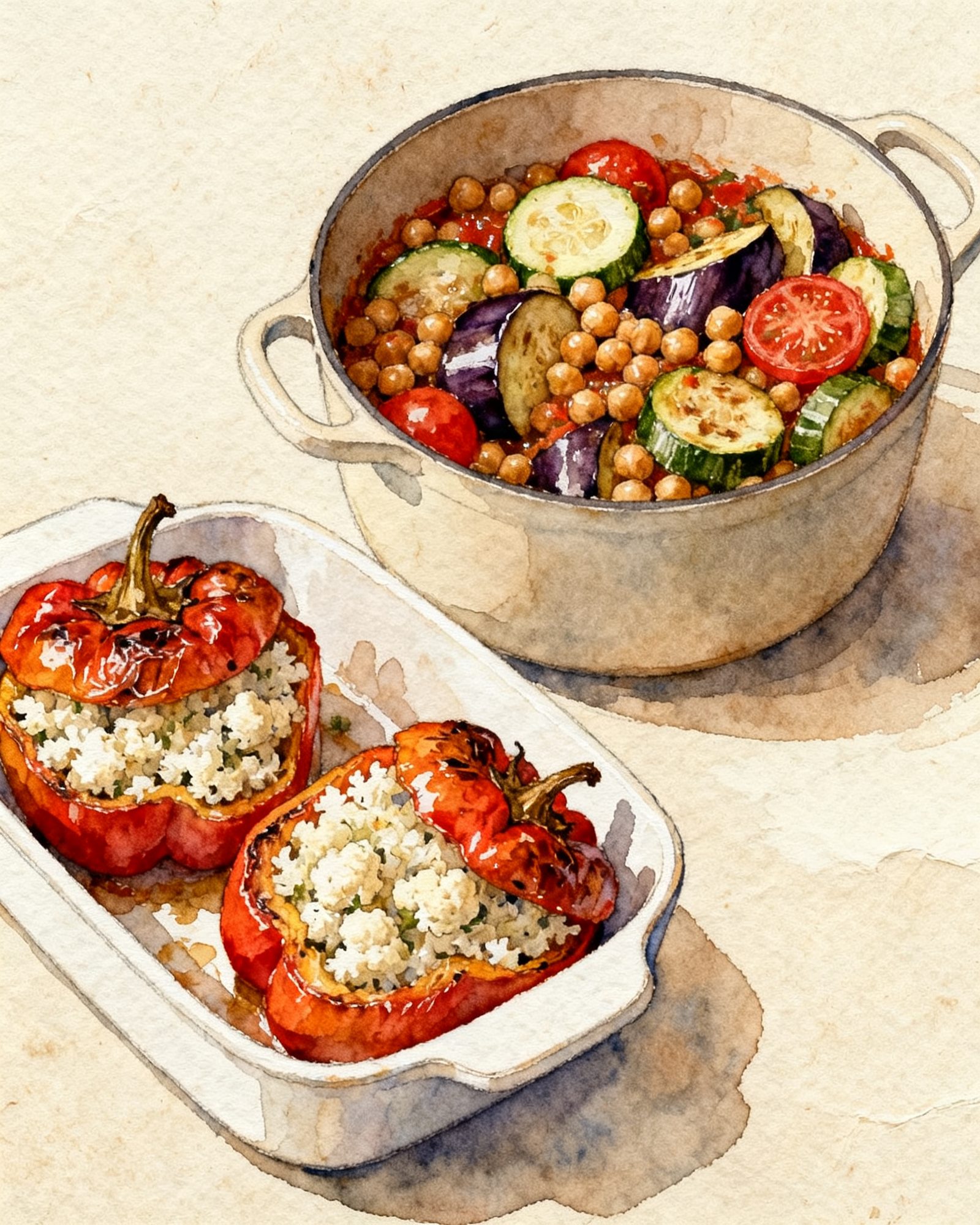
For another plant-based main with the same make-ahead habits, try chickpea ratatouille, which also keeps well in the refrigerator for several days of lunches.
Common questions
What lettuce is best for lettuce wraps?
Butter lettuce (Boston or Bibb) has soft, flexible leaves that cup naturally around a filling. Romaine hearts make sturdier, crunchier boats that hold more. Iceberg gives the crispest cups but its leaves crack if you peel them roughly, so cut the head in half and separate the leaves carefully.
How do I keep lentils from getting mushy?
Use brown or green lentils, not red, keep the water at a gentle simmer rather than a hard boil, and start tasting a few minutes before the time is up. Drain them as soon as they are soft through, and add tomato and lime only after they are cooked.
Do I need to soak lentils before cooking?
No. Colorado State University Extension notes that lentils do not need to be soaked before cooking, and the University of Nebraska-Lincoln Extension says the same. Rinse them and pick out any small stones or shriveled lentils.
Can I use canned lentils for lentil tacos?
Yes. Two 15-ounce cans of brown or green lentils, rinsed and well drained, replace the cup of dry lentils on the card. Skip the first simmering step, bloom the spices as usual, and mash fewer lentils, since canned ones are already soft.
Can I make lentil taco filling ahead?
Yes. The cooked filling keeps 3 to 4 days in the refrigerator, the time USDA gives for leftovers, and reheats well in a skillet with a splash of water. Make the salsa and slice the avocado just before serving.
Can I freeze lentil taco meat?
Yes. Cool it, pack it in a freezer container and freeze. USDA's Food Safety and Inspection Service gives 3 to 4 months for frozen leftovers, for best quality. Reheat it until it reaches 165°F.
Sources
Read next
Spaghetti with baked lentil-walnut vegan meatballs
Baked lentil-walnut vegan meatballs that hold together, in a simple garlic marinara with spaghetti: the binder, chilling before shaping, baking and freezing.
Red lentil soup with cumin, carrot and lemon
An easy red lentil soup recipe with onion, carrot, tomato and cumin: why red lentils need no soaking and turn creamy, thickness, lemon and freezing.
Stuffed peppers with cauliflower rice and black beans
Vegan stuffed bell peppers with a spiced filling of cauliflower rice, black beans, corn and tomato: par-baked halves, a filling that stays dry, make-ahead tips.
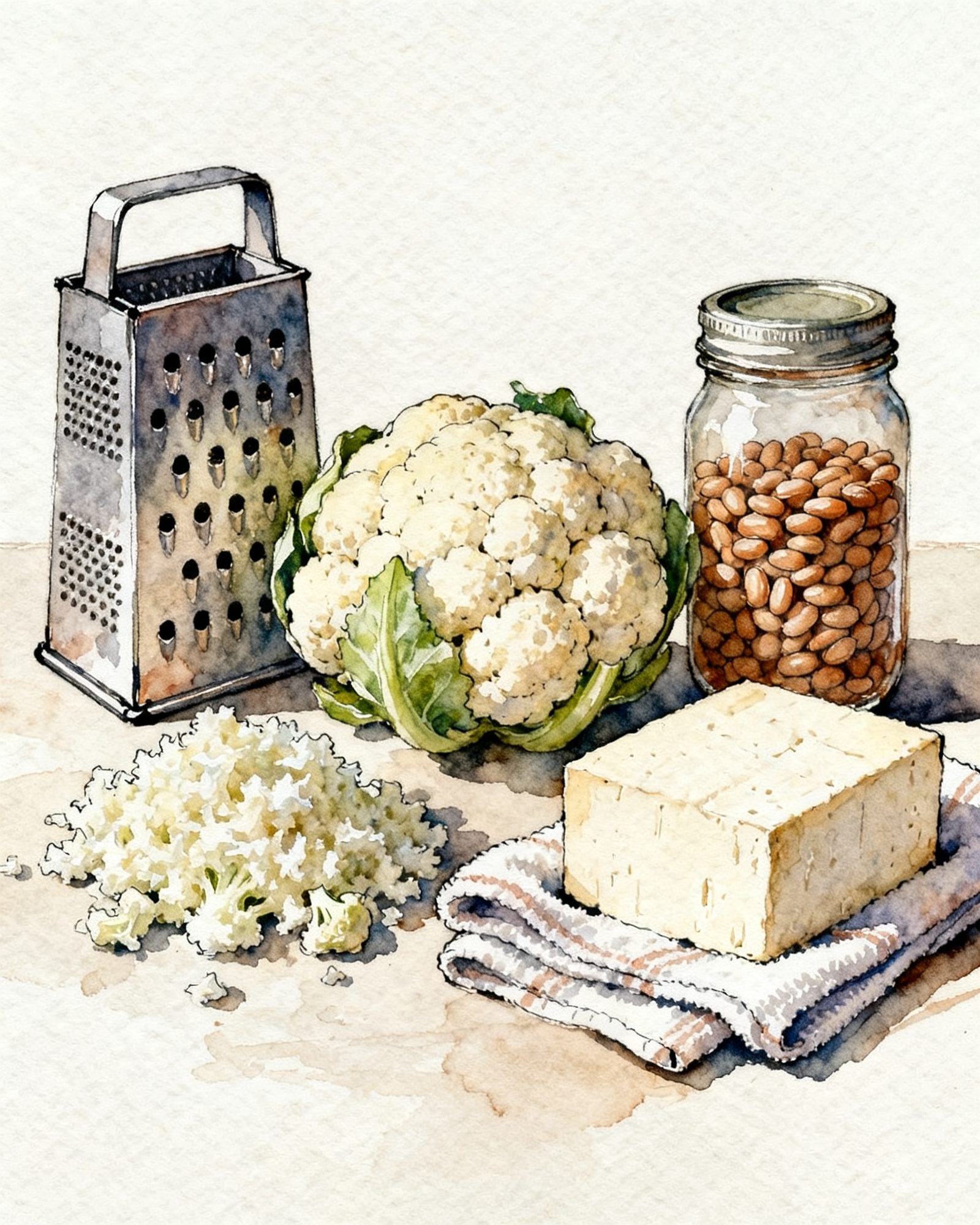
How to make cauliflower rice that is fluffy, not mushy
How to make cauliflower rice with a box grater or food processor, cook it dry in a skillet or roast it, season it, freeze it and avoid mushy, watery rice.
Homemade peanut butter cups, dairy-free
Homemade peanut butter cups in a muffin tin: melting dairy-free chocolate gently, a filling that holds its shape, layering, setting and peanut butter eggs.