Cashew queso: a warm, smooth dairy-free cheese dip
Smooth vegan queso from cashews, nutritional yeast and chili: hot or cold soaking, blending without grit, thinning, reheating and a salsa and guacamole spread.
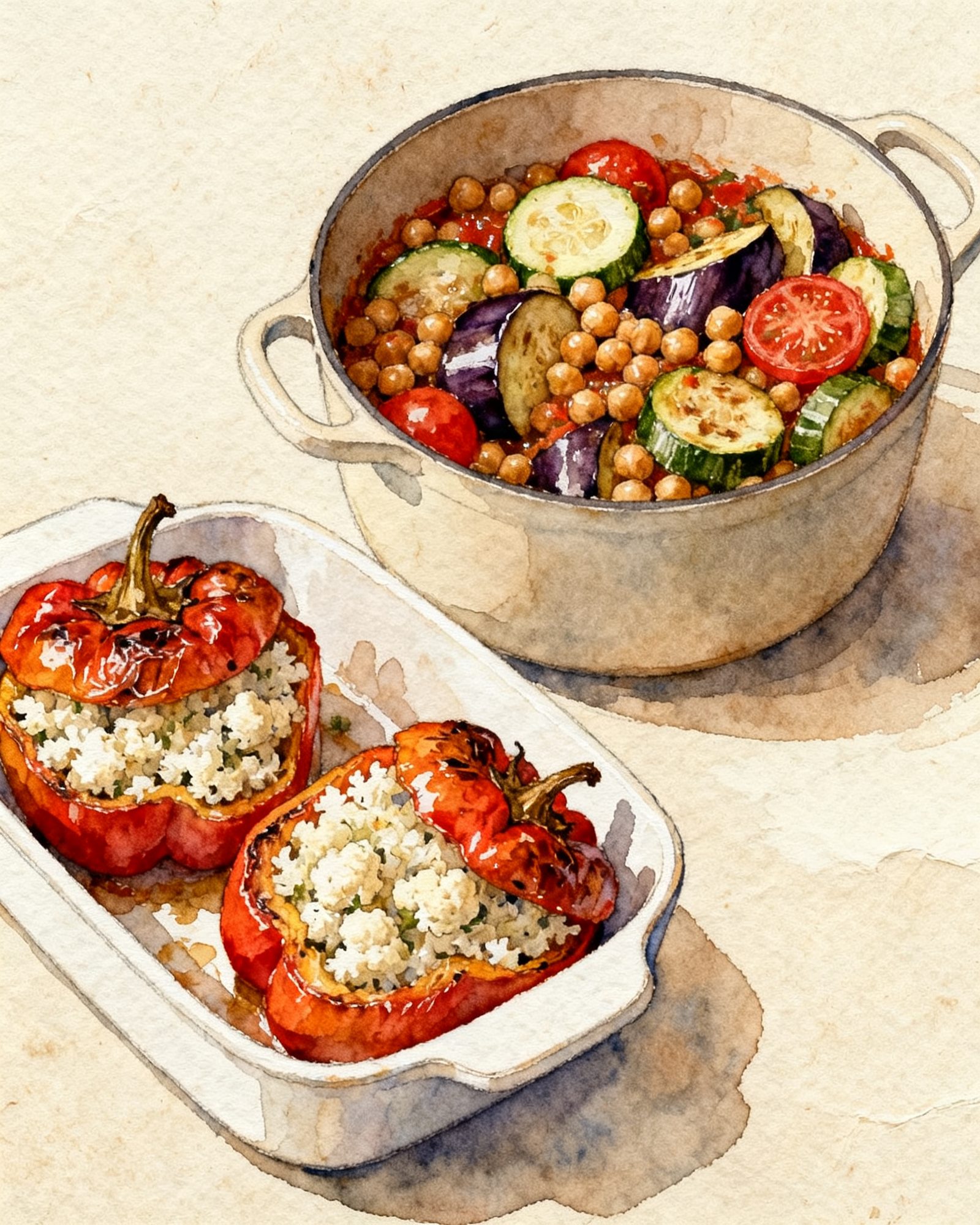
Makes About 2 cups, 8 servings of 1/4 cup
Ingredients
- 1 cup (130 g) raw unsalted cashews
- 1 cup (240 ml) water, for blending, plus more to thin
- 15 g nutritional yeast flakes, about 1/4 cup; flake size varies, so weigh it if you can (USDA has no record for nutritional yeast, so its nutrition here uses USDA's dried yeast record)
- 1 tbsp fresh lime juice
- 1 tsp chili powder
- 1/2 tsp ground cumin
- 1/2 tsp smoked paprika
- 1/2 tsp garlic powder
- 1/2 tsp onion powder
- 1/2 tsp fine salt, plus more to taste
- 1/2 cup (130 g) jarred tomato salsa, mild or medium
To serve
- 2 tbsp sliced pickled jalapeños (optional)
Equipment
- Heatproof bowl
- Strainer
- High-speed blender or regular blender
- Small saucepan
- Silicone spatula
Method
Put the cashews in a heatproof bowl and cover them with just-boiled water by about 1 inch. Soak for 30 minutes, until a cashew breaks easily when pressed between your fingers. Or cover them with cold water and refrigerate for 4 hours or overnight. In a hurry, simmer them in a small saucepan of water for 10 minutes instead.
Drain the cashews in a strainer, discard the soaking water and rinse them.
Put the cashews in a blender with the 1 cup of fresh water, the nutritional yeast, lime juice, chili powder, cumin, smoked paprika, garlic powder, onion powder and salt. Blend on high for 1 to 2 minutes, scraping down the sides once, until completely smooth with no grit when you rub a drop between your fingers. A regular blender may need a few minutes longer; stop to let the motor rest if it gets hot.
Pour the sauce into a small saucepan and warm it over medium-low heat, stirring constantly with a spatula, for 3 to 5 minutes, until steaming, glossy and slightly thickened. Do not let it boil hard, or it can catch on the bottom.
Stir in the salsa. If the queso is thicker than you like, stir in more water 1 tablespoon at a time. Taste and add more salt or lime juice if needed. Serve warm, topped with the pickled jalapeños.
Nutrition per serving
| Calories | 110 |
|---|---|
| Total fat | 8 g |
| Saturated fat | 1.5 g |
| Carbohydrate | 8 g |
| Fiber | 2 g |
| Total sugars | 2 g |
| Protein | 4 g |
| Sodium | 280 mg |
| Calcium | 20 mg |
| Iron | 1.3 mg |
Per serving, calculated from USDA FoodData Central values for the ingredients and amounts listed, leaving out the optional ingredients. Calories, fat, carbohydrate, fiber, sugars, protein and sodium are rounded with the FDA Nutrition Facts label rules; calcium is shown to the nearest 10 mg and iron to the nearest 0.1 mg. Brands differ, so treat the figures as estimates.
How these numbers were calculated
Each ingredient as weighed for the calculation and the USDA FoodData Central record its nutrients come from. Where USDA has no record for an ingredient (vegan butter, nutritional yeast, coconut sugar), the closest generic record is used and named here.
| Ingredient | Grams | USDA record |
|---|---|---|
| 1 cup (130 g) raw unsalted cashews | 130 g | FDC 2707494: Cashews, unroasted (FNDDS 2021-2023). Weight from: USDA portion '1 cup' |
| 1 cup (240 ml) water, for blending, plus more to thin | 240 g | FDC 2710707: Water, tap (FNDDS 2021-2023). Weight from: USDA portion '1 cup' |
| 15 g nutritional yeast flakes, about 1/4 cup; flake size varies, so weigh it if you can (USDA has no record for nutritional yeast, so its nutrition here uses USDA's dried yeast record) | 15 g | FDC 2710005: Yeast (FNDDS 2021-2023). Weight from: weight |
| 1 tbsp fresh lime juice | 15.1 g | FDC 168156: Lime juice, raw (SR Legacy). Weight from: USDA portion '1 cup' (1 cup = 16 tbsp = 48 tsp) |
| 1 tsp chili powder | 2.7 g | FDC 171319: Spices, chili powder (SR Legacy). Weight from: USDA portion '1 tsp' |
| 1/2 tsp ground cumin | 1.1 g | FDC 170923: Spices, cumin seed (SR Legacy). Weight from: USDA portion '1 tsp, whole' |
| 1/2 tsp smoked paprika | 1.1 g | FDC 171329: Spices, paprika (SR Legacy). Weight from: USDA portion '1 tsp' |
| 1/2 tsp garlic powder | 1.6 g | FDC 171325: Spices, garlic powder (SR Legacy). Weight from: USDA portion '1 tsp' |
| 1/2 tsp onion powder | 1.2 g | FDC 171327: Spices, onion powder (SR Legacy). Weight from: USDA portion '1 tsp' |
| 1/2 tsp fine salt, plus more to taste | 3 g | FDC 173468: Salt, table (SR Legacy). Weight from: USDA portion '1 tsp' |
| 1/2 cup (130 g) jarred tomato salsa, mild or medium | 129.5 g | FDC 174524: Sauce, salsa, ready-to-serve (SR Legacy). Weight from: USDA portion '1 cup' |
| 2 tbsp sliced pickled jalapeños (optional) | not counted (optional) | FDC 170080: Peppers, jalapeno, canned, solids and liquids (SR Legacy). Weight from: USDA portion '1 cup, sliced' (1 cup = 16 tbsp = 48 tsp) |
Cashew queso is a warm, pourable cheese-style dip made from soaked cashews blended with water, nutritional yeast, lime juice and chili spices, then warmed in a saucepan and finished with salsa. It has the creamy body and savory, slightly tangy flavor of a queso dip without any dairy. The method is simple, and there are only two places it can go wrong: cashews that were not soft enough or not blended long enough, which leaves the sauce gritty, and a sauce that thickens more than you expected. The recipe card handles both, and the sections below explain why.
Soaking the cashews: hot or cold
Soaking softens cashews so they break down into a silky sauce instead of a fine grit. There are two ways to do it, and both are on the card:
- Hot soak, 30 minutes: cover the cashews with just-boiled water. This is the fast route and works for most blenders. The cashews are ready when one breaks easily when pressed between your fingers.
- Cold soak, 4 hours or overnight: cover them with cold water and keep the bowl in the refrigerator. The cashews end up softer, which helps most if you have a regular blender. Soak in the refrigerator rather than on the counter for long soaks.
- Simmer, 10 minutes: the fastest route when you forgot to soak. Simmering softens the cashews about as well as the hot soak and is the better choice for a regular blender in a hurry.
Either way, drain and rinse the cashews and blend them with fresh water. Use raw, unsalted cashews: roasted cashews make a darker, nuttier sauce that tastes less like cheese, and salted ones make the salt hard to control.
Blending until there is no grit
The test for smoothness is to rub a drop of the sauce between your thumb and finger. If you feel any graininess, keep blending. In a high-speed blender, 1 to 2 minutes on high usually does it. A regular blender takes longer and can overheat, so blend in bursts, scrape down the sides, and let the motor rest between rounds. Adding the water and liquids to the jar before the cashews helps the blades catch.
Why it thickens when you heat it
Cashews contain more starch than most nuts, and like any starch it thickens a liquid as it heats. That is why the sauce goes from a thin, blended liquid to a glossy, dippable queso after a few minutes in the saucepan, and why it sets thick in the refrigerator. Warm it over medium-low heat and keep stirring, because a thick sauce can scorch on the bottom of the pan.
If you want it thinner, add water a tablespoon at a time after heating; it is easier to thin queso than to thicken it. If it ends up too thin, simmer it gently for another minute or two, stirring, and it will thicken.
Dip or sauce: setting the thickness
The card makes a dip that coats a chip. The same queso becomes a pourable nacho or bowl sauce, or a sauce for pasta and baked potatoes, with more water: stir it in a tablespoon at a time while the queso is warm, until it runs off a spoon in a ribbon. For a thick dip that holds a chip upright, simmer it a minute or two longer instead. Adjust the thickness after heating, because a sauce thinned before it goes into the pan thickens again as it warms.
Building the flavor
- Nutritional yeast gives the savory, cheese-like depth. Harvard Health Publishing describes it as an inactivated strain of the yeast Saccharomyces cerevisiae; as the cells die, they release glutamic acid, which tastes savory. For more, see what nutritional yeast is and how to use it.
- Lime juice adds the slight tang that cheese has. Lemon juice or a teaspoon of mild vinegar works too.
- Chili powder, cumin, smoked paprika, garlic and onion powder give the familiar Tex-Mex queso flavor. Add a pinch of cayenne for heat.
- Salsa, stirred in at the end, adds tomato, onion and chile and makes the dip look like queso. A jarred salsa is fine; drain a very watery one first.
Taste before serving. Cashews and nutritional yeast need salt to taste like cheese, so add more if it tastes flat.
Variations
- Queso blanco: leave out the chili powder, smoked paprika and salsa, and stir in a small can of diced green chiles, drained, with a little extra lime. The queso stays pale cream rather than orange.
- Chipotle: blend in 1 chipotle pepper from a can of chipotles in adobo, plus a teaspoon of the sauce, for smoky heat.
- Tomato and green chile: use a can of diced tomatoes with green chiles, drained, in place of the jarred salsa.
- Loaded: stir in warm black beans, cooked vegan crumbles or roasted peppers just before serving.
- Brighter color: a pinch of ground turmeric deepens the yellow without changing the flavor much.
Substitutions
| Instead of | Use | What changes |
|---|---|---|
| Raw cashews | Blanched almonds or macadamia nuts | Almonds stay slightly grainy even after a long soak; macadamias are richer and very smooth |
| Raw cashews | Raw sunflower seeds, soaked | Nut-free; earthier and slightly bitter, so add a little more lime and salt |
| Raw cashews | Roasted cashews | Darker, nuttier, less cheese-like |
| Nutritional yeast | No good substitute | Without it the dip tastes like spiced cashew cream, not cheese |
| Lime juice | Lemon juice or 1 tsp mild vinegar | Same tang, slightly different note |
| The spice mix | Taco seasoning, about 1 tablespoon | Easier; check its salt before adding more |
Serving it, including a layered party spread
Serve the queso warm with tortilla chips, drizzle it over nachos or tacos, or spoon it onto roasted vegetables and rice. It is a natural topping for lentil taco lettuce cups.
For a party spread, spread warm queso in a shallow dish, top it with a layer of guacamole and then a layer of fresh salsa or pico de gallo, and finish with sliced scallions and cilantro. Serve it right away with chips. To keep queso warm for a crowd, hold it over very low heat, stirring now and then, or move it to a small slow cooker on its warm setting with a splash of water, stirring every so often; USDA advises keeping hot food at 140°F or warmer. In a microwave, warm it in short bursts and stir between each, because it heats unevenly and spatters as it thickens. Do not leave it out at room temperature for more than 2 hours, or 1 hour if the room or patio is above 90°F, the limits USDA’s Food Safety and Inspection Service gives for perishable food.
Storing and reheating
Refrigerate leftover queso in a covered container within 2 hours, at 40°F or below. USDA gives 3 to 4 days in the refrigerator for leftovers. The queso sets almost solid when cold, which is normal. To reheat, warm it in a saucepan over low heat with a splash of water, stirring constantly, until it is smooth and steaming and reaches 165°F, the reheating temperature USDA gives for leftovers, measured with a food thermometer. A thick sauce like this scorches easily, so keep the heat low and keep stirring.
Cashew queso can be frozen. It may look slightly separated after thawing; whisk it hard or blend it briefly while warming to bring it back together. USDA notes that frozen leftovers are safe indefinitely but lose moisture and flavor over long storage, so use it within a few months.
Common problems and fixes
- Gritty: blend longer, or soak the cashews longer next time.
- Too thick: stir in water a tablespoon at a time.
- Too thin: simmer gently while stirring until it thickens.
- Bland: add salt first, then a squeeze of lime, then more chili.
- Scorched on the bottom: move the sauce to a clean pan without scraping the burnt layer, and use lower heat.
Cashew queso and queso fresco
Cashew queso is a warm dip. Queso fresco is a different thing: a fresh, crumbly white cheese for scattering over tacos. Blending cashews will not give you crumbles; for a crumbly topping, crumble pressed firm tofu with lime juice, salt and a little nutritional yeast instead.
Allergy and ingredient notes
This recipe contains tree nuts (cashews). For a nut-free dip, use soaked sunflower seeds or the potato-and-carrot alternative in the FAQ; the almond and macadamia substitutions are tree nuts too, vegan crumbles usually contain soy or wheat, and the tofu crumble contains soy. It contains no wheat, soy, peanuts, sesame or coconut, but check the salsa and spice labels if you avoid any of those, as blends and jarred products vary. If you are looking for a hearty vegetable dish to round out a meal, chickpea ratatouille works as a make-ahead main alongside chips and queso.
Common questions
Do I have to soak cashews for queso?
With a high-speed blender you can sometimes skip it, but soaking gives a smoother sauce in any blender. A 30-minute soak in just-boiled water is enough for most blenders; a cold soak of 4 hours or overnight in the refrigerator softens them even more. Always drain the soaking water and blend with fresh water.
Why is my cashew queso gritty?
The cashews were not soft enough or were not blended long enough. Blend for another minute or two, scraping down the sides, and test by rubbing a drop between your fingers. In a regular blender, soak the cashews longer and blend in stages so the motor does not overheat.
Can I make cashew queso ahead?
Yes. Cool it, refrigerate it within 2 hours in a covered container and use it within 3 to 4 days. It sets thick when cold, so reheat it gently with a splash of water, stirring, until it reaches 165°F on a food thermometer.
Does vegan queso taste like cheese?
It tastes like a mild, savory, spiced cheese dip rather than a specific cheese. Nutritional yeast gives the savory depth, lime juice gives the slight tang that cheese has, and the chili, cumin and salsa make it taste like queso. It does not stretch or string like melted cheese.
Is there a nut-free version?
Not with cashews, which are tree nuts. A popular nut-free alternative blends boiled potato and carrot with oil, nutritional yeast and the same spices. It is thinner and less rich than cashew queso and is best eaten right away, since it turns gluey as it sits.
Sources
Read next
Vegan margherita pizza with melting cashew mozzarella
A home-oven vegan margherita pizza: an easy yeast dough, a thick quick tomato sauce, a cashew mozzarella that melts and browns, and how to avoid a soggy center.
Tofu and cauliflower skewers with almond butter sauce
Marinated grilled tofu and cauliflower skewers (or bake them) with a creamy almond butter sauce: par-cooking, soaking skewers, marinade time and storage.
Spaghetti with baked lentil-walnut vegan meatballs
Baked lentil-walnut vegan meatballs that hold together, in a simple garlic marinara with spaghetti: the binder, chilling before shaping, baking and freezing.
Coconut whipped cream
How to make coconut whipped cream: chilling the can, scooping off the cream, why some cans will not whip, sweetening, keeping it stable, and storing it.
How to make coconut yogurt at home
How to make thick coconut milk yogurt from a can and a live-culture starter: clean equipment, steady warmth, timing and when to throw a batch out.