Coconut whipped cream
How to make coconut whipped cream: chilling the can, scooping off the cream, why some cans will not whip, sweetening, keeping it stable, and storing it.
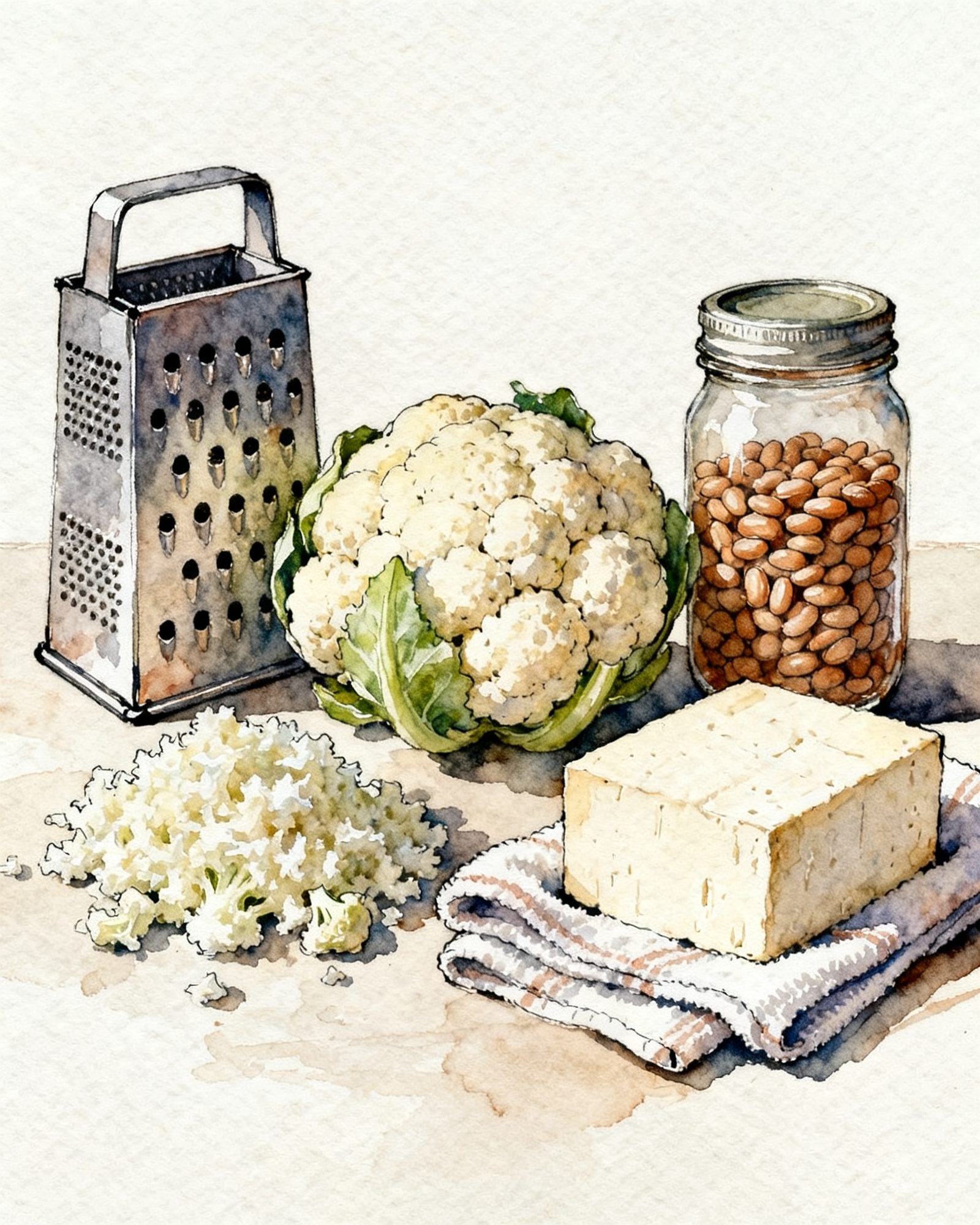
Makes About 1 1/2 cups, 6 servings
Ingredients
- 13 1/2 fl oz (about 405 g) full-fat coconut milk, one can, refrigerated unopened; not light coconut milk
- 2 tbsp powdered sugar
- 1/2 tsp vanilla extract
Equipment
- Can opener
- Medium mixing bowl, metal or glass
- Hand mixer, or a stand mixer with the whisk attachment
- Spoon and rubber spatula
Method
Refrigerate the unopened can of coconut milk upright for at least 8 hours, or overnight, without shaking it. The cold firms the coconut fat so the thick cream separates from the thin liquid.
About 10 minutes before whipping, put the mixing bowl and the beaters or whisk attachment in the freezer.
Open the can without tipping or shaking it. Spoon the thick, solid cream from the top into the cold bowl, stopping when you reach the thin, cloudy liquid underneath. Keep the liquid for smoothies, oatmeal or a curry; it is not used here.
Beat the coconut cream on medium speed for about 30 seconds to break it up, then on medium-high until it is light and fluffy and holds soft peaks, 1 to 2 minutes.
Add the powdered sugar and vanilla and beat just until combined and fluffy again, 15 to 30 seconds. If the cream turns soft and loose instead of fluffy, it has warmed up: put the bowl in the refrigerator for 15 minutes and beat again briefly.
Use right away, or cover and refrigerate. It firms as it chills; whisk it by hand for a few seconds before serving.
Nutrition per serving
| Calories | 170 |
|---|---|
| Total fat | 16 g |
| Saturated fat | 14 g |
| Carbohydrate | 6 g |
| Fiber | 1 g |
| Total sugars | 5 g |
| Protein | 2 g |
| Sodium | 10 mg |
| Calcium | 10 mg |
| Iron | 1.1 mg |
Per serving, calculated from USDA FoodData Central values for the ingredients and amounts listed. Calories, fat, carbohydrate, fiber, sugars, protein and sodium are rounded with the FDA Nutrition Facts label rules; calcium is shown to the nearest 10 mg and iron to the nearest 0.1 mg. Brands differ, so treat the figures as estimates.
How these numbers were calculated
Each ingredient as weighed for the calculation and the USDA FoodData Central record its nutrients come from. Where USDA has no record for an ingredient (vegan butter, nutritional yeast, coconut sugar), the closest generic record is used and named here.
| Ingredient | Grams | USDA record |
|---|---|---|
| 13 1/2 fl oz (about 405 g) full-fat coconut milk, one can, refrigerated unopened; not light coconut milk | 405 g | FDC 2707568: Coconut milk, used in cooking (FNDDS 2021-2023). Weight from: USDA portion '1 fl oz' |
| 2 tbsp powdered sugar | 16 g | FDC 169656: Sugars, powdered (SR Legacy). Weight from: USDA portion '1 tbsp unsifted' |
| 1/2 tsp vanilla extract | 2.1 g | FDC 173471: Vanilla extract (SR Legacy). Weight from: USDA portion '1 tsp' |
Coconut whipped cream is the thick cream from a chilled can of full-fat coconut milk, beaten until fluffy and sweetened with a little powdered sugar and vanilla. It spoons onto pies, fruit and ice cream the way whipped dairy cream does, with a mild coconut flavor. The whole technique is temperature: coconut fat is firm when cold and soft at a warm room temperature, so a cold can, a cold bowl and quick whipping make it work. It also explains why some cans never whip, which is the most common frustration with it.
Chilling the can
In a can at room temperature, coconut milk is a mostly smooth, pourable liquid. In the refrigerator the coconut fat firms up and rises, so the can separates into a thick layer of solid cream on top and a thin, cloudy liquid underneath. That solid cream is what you whip.
Give it time. The card calls for at least 8 hours, or overnight, and many cooks simply keep a can in the refrigerator so one is always ready. Some cans separate in a few hours and others need a day or more, which is why a can kept in the refrigerator is the reliable answer.
Short on time? The freezer is not a good shortcut: it chills the outside of the can much faster than the middle, so you end up with icy edges and soft cream in the center. A can of unsweetened coconut cream, which has less liquid to separate from, is the more reliable way to get whipped cream sooner, though it still needs to be thoroughly cold. Keep the can upright and do not shake it, or the two layers mix again. Chilling the bowl and beaters in the freezer for a few minutes before whipping keeps the cream from softening as you work.
Separating the cream
Open the can without tipping it. The cream on top should be thick enough to scoop with a spoon, like soft butter or very thick yogurt. Spoon it into the cold bowl and stop as soon as you reach the liquid; a spoonful of liquid makes the whipped cream softer, and a lot of it stops the cream from whipping at all. Some cooks turn the chilled can over and open it from the bottom instead: the liquid is then on top and can be poured off first, leaving the cream behind.
The leftover liquid is coconut-flavored and useful. Keep it covered in the refrigerator at 40°F or below and use it in smoothies, oatmeal, curries or soups within 3 to 4 days.
A note on the recipe card: its nutrition counts the whole can, including the liquid you pour off, because that is how the coconut milk is bought and measured. The figures run somewhat high for that reason.
Why some cans will not whip
Even well-chilled cans can disappoint. The usual reasons:
- Light or reduced-fat coconut milk. It does not have enough fat to whip. Use full-fat coconut milk.
- Emulsifiers and stabilizers. Some brands add gums or emulsifiers that keep the coconut milk smooth and blended in the can. That is good for cooking but can keep the cream from separating. Cans with a short ingredient list, coconut and water, separate most reliably.
- Not cold enough. A few hours in a warm or crowded refrigerator may not be enough. Give it longer.
- Too much variation between cans. The amount of cream differs from can to can, even within one brand. If one can is thin, try another, and keep the thin one for cooking.
Coconut cream sold in cans, unsweetened, contains more fat and less water than coconut milk, so it gives more whipped cream per can and separates more reliably. Do not use cream of coconut: it is a thick, sweetened syrup made for drinks and desserts, and it will not whip.
Whipping, sweetening and stopping in time
Beat the cream briefly on medium speed to break it up, then on medium-high until it is light and holds soft peaks. Coconut cream whips quickly, and it does not gain as much volume as dairy cream, so expect a soft, mousse-like cream rather than stiff peaks.
Powdered sugar is the best sweetener here. It dissolves instantly in the cold cream, while granulated sugar can stay gritty. Most powdered sugar also contains a little cornstarch, which helps the cream hold its shape. Maple syrup works too, but liquid sweeteners loosen the cream slightly.
Stop as soon as it is fluffy. Overbeating warms the cream with friction and can make it look grainy or turn soft and loose. If that happens, put the bowl in the refrigerator for the 15 minutes on the card and beat it again briefly.
Fixing lumpy, grainy, runny or stiff cream
| Problem | Likely cause | Fix |
|---|---|---|
| Lumpy, with small hard bits | The cream was very cold and firm, and the pieces did not break up | Keep beating for a few more seconds, or add 1 teaspoon of the reserved coconut liquid and beat again. |
| Grainy or curdled-looking | Overbeaten, or the cream warmed up while beating | Refrigerate the bowl for 15 minutes, then beat briefly. Next time, stop as soon as it is fluffy. |
| Runny, never thickens | Light coconut milk, too much of the thin liquid scooped in, a warm can, or a can that never separated | Chill longer, scoop only the solid cream, or start again with a different can or with coconut cream. |
| Too stiff, almost like butter | Very thick cream (common with coconut cream) or a cold bowl that firmed it further | Beat in reserved coconut liquid 1 teaspoon at a time until it is soft and spoonable. |
| Gritty | Granulated sugar that did not dissolve | Use powdered sugar, or a liquid sweetener. |
Coconut whipped cream compared with dairy whipped cream
| Coconut whipped cream | Whipped dairy cream | |
|---|---|---|
| Texture | Soft, dense, mousse-like | Light and airy, can reach stiff peaks |
| Volume | Gains less volume | Roughly doubles as it whips |
| Flavor | Mild coconut | Neutral, milky |
| At warm room temperature | Softens quickly | Holds a little longer, then weeps |
| Allergens | Coconut | Milk |
Keeping it stable
Coconut whipped cream softens at warm room temperature, so it is best spooned on just before serving. To keep it firmer:
- Whip it ahead and refrigerate it in a covered container. The coconut fat firms as it chills, and a quick whisk by hand restores the texture.
- Serve it on cold or room-temperature desserts. On warm caramelized pears or a warm pie, it softens into a sauce within minutes, which is good but not neat.
- Keep a second can in the refrigerator if you need more; trying to stretch one can with liquid makes it runny.
- For a firmer hold, some cooks beat in a very small pinch of xanthan gum, adding it a little at a time; too much makes the cream slimy. The cornstarch in powdered sugar also helps a little.
Frosting a cake or piping
Coconut whipped cream can frost a cake or be piped, as long as everything stays cold. Frost a completely cooled cake, ideally chilled, and refrigerate it until serving. Pipe rosettes or borders just before serving rather than hours ahead, because the edges soften as the cream warms. It is not a substitute for buttercream on a cake that will sit out at a warm party. A layer cake with a coconut whipped cream filling needs to stay refrigerated, and the same 2-hour limit for perishable food at room temperature applies to it.
Equipment
A hand mixer or a stand mixer with the whisk works best, and a balloon whisk works by hand. A blender or food processor is the wrong tool: the blades cut and churn the cream rather than beating air into it, so it turns smooth and dense, and overmixing can make it grainy. Cream whippers (siphons) are sometimes used with coconut cream; follow the device maker’s instructions if you try it.
Flavors
- Chocolate: sift in 1 tablespoon of unsweetened cocoa powder with an extra tablespoon of powdered sugar.
- Maple-cinnamon: replace the powdered sugar with 1 tablespoon of maple syrup and add a pinch of cinnamon.
- Citrus: fold in the finely grated zest of half an orange or lemon after whipping.
- Extra coconut: replace the vanilla with 1/4 teaspoon of coconut extract.
- Unsweetened: leave out the powdered sugar for a plain cream to spoon over sweet desserts; it whips the same way, just softer.
Serving ideas
Coconut whipped cream goes on almost any dessert that would take whipped cream: spooned over warm caramelized pears, on slices of vegan pumpkin pie, on berries, hot chocolate, waffles or a bowl of dairy-free ice cream. Among other plant-based kitchen basics, cauliflower rice is another one built on a single main ingredient.
Storing it
Keep coconut whipped cream covered in the refrigerator at 40°F or below and use it within 3 to 4 days, the window the USDA Food Safety and Inspection Service gives for refrigerated leftovers. Do not leave it out for more than 2 hours, or 1 hour when the temperature is above 90°F, the same agency’s limits for perishable food at room temperature. For longer storage, freeze spoonfuls on a parchment-lined tray, then pack them into a container; FoodSafety.gov notes that freezer storage guidance is “for quality only”. Frozen dollops can go straight onto hot drinks or thaw in the refrigerator, though the texture is slightly denser after freezing.
Allergy and ingredient notes
This recipe contains coconut, and coconut is the whole base, so there is no simple swap for anyone who avoids it. It has no nuts, peanuts, soy, wheat or sesame. Check the powdered sugar label if you need to avoid corn, since most contains cornstarch.
Common questions
Why won't my coconut cream whip?
Usually the can was not cold enough, the liquid got mixed in with the cream, or the coconut milk was light or low in fat. Some full-fat cans also never separate, because emulsifiers or stabilizers keep the cream and liquid blended. Chill the can longer, scoop only the solid cream, and try a different can if it stays thin.
Can I use coconut cream instead of coconut milk?
Yes, and unsweetened canned coconut cream is often easier, because a can holds more solid cream and less liquid. Do not confuse it with cream of coconut, a sweetened syrup made for drinks and desserts, which will not whip.
How long does coconut whipped cream last?
Covered in the refrigerator at 40°F or below, use it within 3 to 4 days, the window USDA gives for refrigerated leftovers. It firms up as it chills; whisk it by hand for a few seconds to make it fluffy again.
Does coconut whipped cream taste like coconut?
Yes, mildly. Vanilla and powdered sugar soften the coconut flavor, and on spiced or fruit desserts, such as pumpkin pie or caramelized pears, it blends in. For a different flavor, add a little cocoa or citrus zest.
Can I use coconut whipped cream to frost a cake?
Yes, on a cake that is completely cooled and kept in the refrigerator until serving. It softens at warm room temperature, so pipe decorations shortly before serving and do not use it on a cake that will sit out for long.
Can I whip coconut cream by hand?
Yes, with a large balloon whisk and a cold metal bowl. It takes a few minutes of steady whisking rather than a minute or two with a mixer, and the cream will be slightly less airy.
Sources
Read next
How to make cauliflower rice that is fluffy, not mushy
How to make cauliflower rice with a box grater or food processor, cook it dry in a skillet or roast it, season it, freeze it and avoid mushy, watery rice.
How to make coconut yogurt at home
How to make thick coconut milk yogurt from a can and a live-culture starter: clean equipment, steady warmth, timing and when to throw a batch out.
Vegan pistachio ice cream
A coconut-milk pistachio ice cream with real pistachio flavor and no green dye: blending the nuts, a chilled base that churns smooth, plus a no-churn method.
Vegan butter pecan ice cream with caramel
Dairy-free butter pecan ice cream: pecans toasted in vegan butter, a brown sugar coconut-milk base and a cold coconut caramel swirl. Churned or no-churn.
Oatmeal coconut cookies, chewy and made without eggs
Chewy oatmeal cookies with coconut, made vegan with a flax egg: which oats to use, why the dough chills, controlling spread and telling when they are done.