No-bake cookie dough bars with a chocolate top
Vegan no-bake bars of edible cookie dough made with store-bought heat-treated flour: why raw ordinary flour is unsafe, a clean chocolate top and storage.
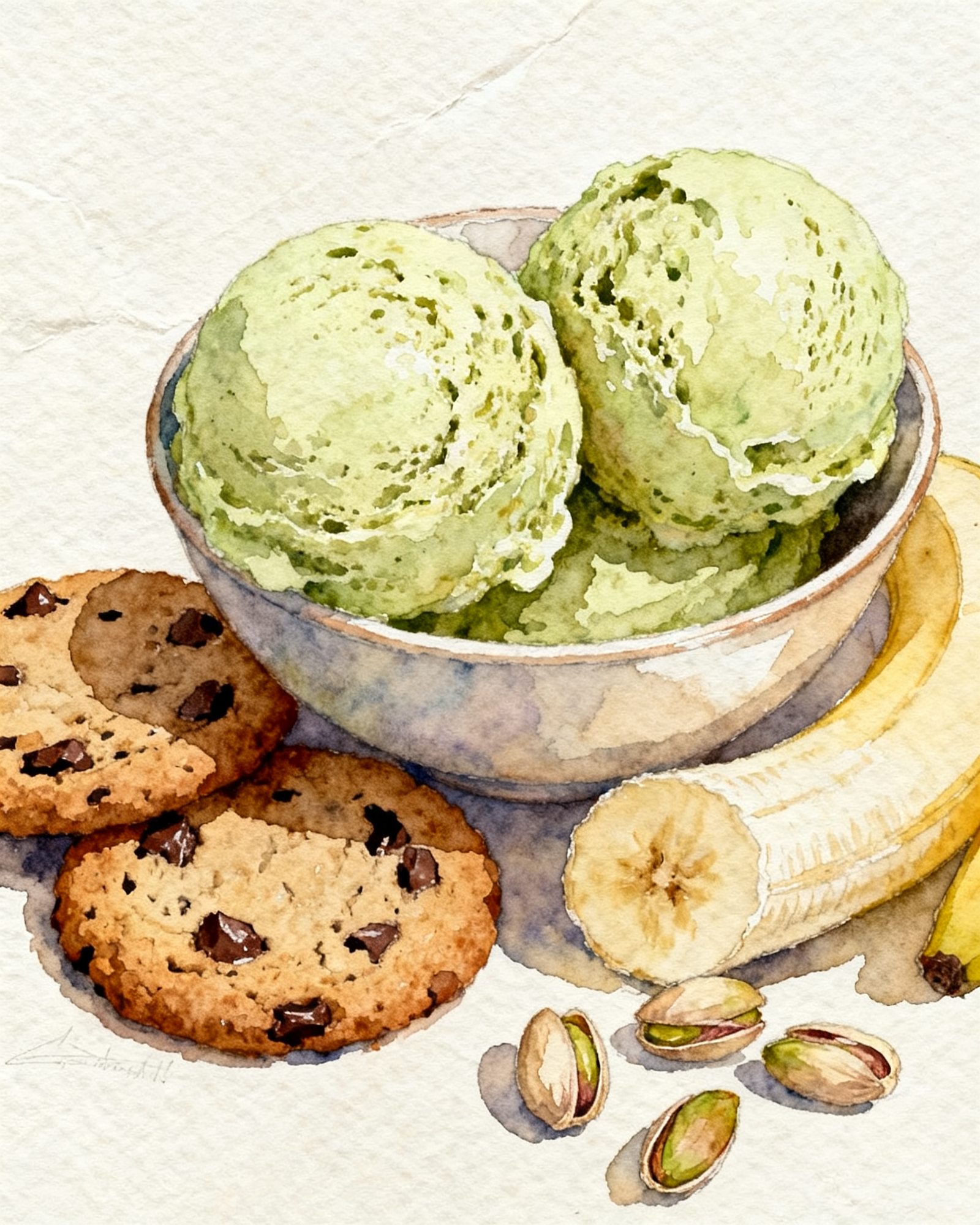
Makes 16 bars (an 8-inch square pan), 1 bar per serving
Ingredients
- 1 1/2 cups (190 g) heat-treated all-purpose flour, store-bought, labeled as heat-treated or ready to eat; spooned into the cup and leveled
- 1/2 cup (110 g) vegan butter (a plant-based stick), softened (USDA has no vegan butter record; the nutrition uses its stick margarine record, and brands differ, especially in saturated fat)
- 2/3 cup (145 g) light brown sugar, packed
- 3 tbsp unsweetened soy milk, or another plant milk, plus more if needed
- 1 1/2 tsp vanilla extract
- 1/4 tsp fine salt
- 1/2 cup (86 g) dairy-free mini semisweet chocolate chips
- 1 cup (170 g) dairy-free semisweet chocolate chips, for the topping
- 1 tbsp canola oil, or another neutral oil
Equipment
- 8-inch square pan
- Parchment paper
- Stand mixer, hand mixer or sturdy spatula
- Large mixing bowl
- Microwave-safe bowl or a heatproof bowl over a saucepan
Method
Line an 8-inch square pan with parchment paper, leaving some hanging over two sides. Check that the flour package says the flour is heat-treated or ready to eat without baking; ordinary flour is not safe to use in this recipe.
In a large bowl, beat the softened vegan butter and brown sugar until creamy and smooth, about 2 minutes. Beat in the soy milk, vanilla and salt.
Add the heat-treated flour and mix on low speed, or with a sturdy spatula, until a soft dough forms. If it is crumbly, add more plant milk 1 teaspoon at a time until it presses together. Stir in the mini chocolate chips.
Press the dough into the lined pan in an even layer, smoothing the top with the back of a spoon or a flat-bottomed glass.
Melt the topping chocolate chips with the canola oil in a microwave-safe bowl in short bursts, stirring after each, or in a heatproof bowl set over barely simmering water, stirring until smooth. Pour it over the dough and spread it evenly.
Refrigerate for at least 1 hour, until the chocolate is firm. Lift the slab out with the parchment, let it stand for 10 minutes so the chocolate does not crack, then cut into 16 squares with a sharp knife dipped in hot water and wiped dry.
Nutrition per serving
| Calories | 210 |
|---|---|
| Total fat | 11 g |
| Saturated fat | 4 g |
| Carbohydrate | 28 g |
| Fiber | 1 g |
| Total sugars | 18 g |
| Protein | 2 g |
| Sodium | 95 mg |
| Calcium | 20 mg |
| Iron | 1.1 mg |
Per serving, calculated from USDA FoodData Central values for the ingredients and amounts listed. Calories, fat, carbohydrate, fiber, sugars, protein and sodium are rounded with the FDA Nutrition Facts label rules; calcium is shown to the nearest 10 mg and iron to the nearest 0.1 mg. Brands differ, so treat the figures as estimates.
How these numbers were calculated
Each ingredient as weighed for the calculation and the USDA FoodData Central record its nutrients come from. Where USDA has no record for an ingredient (vegan butter, nutritional yeast, coconut sugar), the closest generic record is used and named here.
| Ingredient | Grams | USDA record |
|---|---|---|
| 1 1/2 cups (190 g) heat-treated all-purpose flour, store-bought, labeled as heat-treated or ready to eat; spooned into the cup and leveled | 187.5 g | FDC 168894: Wheat flour, white, all-purpose, enriched, bleached (SR Legacy). Weight from: USDA portion '1 cup' |
| 1/2 cup (110 g) vegan butter (a plant-based stick), softened (USDA has no vegan butter record; the nutrition uses its stick margarine record, and brands differ, especially in saturated fat) | 112 g | FDC 2710159: Margarine, stick (FNDDS 2021-2023). Weight from: USDA portion '1 cup' |
| 2/3 cup (145 g) light brown sugar, packed | 146.7 g | FDC 168833: Sugars, brown (SR Legacy). Weight from: USDA portion '1 cup packed' |
| 3 tbsp unsweetened soy milk, or another plant milk, plus more if needed | 45.6 g | FDC 175215: Soymilk (all flavors), unsweetened, with added calcium, vitamins A and D (SR Legacy). Weight from: USDA portion '1 cup' (1 cup = 16 tbsp = 48 tsp) |
| 1 1/2 tsp vanilla extract | 6.3 g | FDC 173471: Vanilla extract (SR Legacy). Weight from: USDA portion '1 tsp' |
| 1/4 tsp fine salt | 1.5 g | FDC 173468: Salt, table (SR Legacy). Weight from: USDA portion '1 tsp' |
| 1/2 cup (86 g) dairy-free mini semisweet chocolate chips | 86.5 g | FDC 167976: Candies, semisweet chocolate (SR Legacy). Weight from: USDA portion '1 cup mini chips' |
| 1 cup (170 g) dairy-free semisweet chocolate chips, for the topping | 168 g | FDC 167976: Candies, semisweet chocolate (SR Legacy). Weight from: USDA portion '1 cup chips (6 oz package)' |
| 1 tbsp canola oil, or another neutral oil | 14 g | FDC 172336: Oil, canola (SR Legacy). Weight from: USDA portion '1 tbsp' |
No-bake cookie dough bars are a slab of soft, brown-sugar cookie dough studded with mini chocolate chips and covered with a thin layer of chocolate, chilled and cut into squares. There is no egg in the dough, and the one ingredient that decides whether the bars are safe to eat is the flour: this recipe uses only store-bought flour that is sold as heat-treated or ready to eat. Everything else comes together in one bowl, with no oven at all, and sets in the refrigerator.
Why the flour has to be store-bought heat-treated flour
Flour looks like a finished, dry pantry staple, but the FDA puts it bluntly: “Flour is a raw food. It may not look like a raw food, but it usually is.” Grains grow outdoors, and the FDA notes that they “may be exposed to a variety of harmful bacteria like Salmonella and pathogenic Escherichia coli (E. coli)” and that “Processing raw grains into flour does not kill harmful bacteria.” The CDC says the same: flour usually “hasn’t been treated to kill germs that cause food poisoning.” In a normal cookie or cake, baking takes care of that. Edible cookie dough is never baked, so ordinary flour has no place in it.
You may see recipes that heat flour in the oven or microwave first. The FDA advises against it in capital letters: “DO NOT try to heat treat flour in your own home.” Home treatments, it says, “may not effectively kill all bacteria” and “do not make it safe to eat raw.” That is why this recipe has no oven step.
What does work is flour treated by the manufacturer. The CDC explains that some store-bought edible cookie dough products “are made with heat-treated flour and pasteurized eggs or no eggs,” and that their label should say the dough “is meant to be eaten without baking or cooking.” Apply the same test to the flour you buy for these bars: the package should say the flour is heat-treated or ready to eat. If it does not say so, it is ordinary raw flour. Any other flour, including oat or nut flours, falls under the same rule: use it only if the label says it is ready to eat without cooking.
The CDC also advises washing your hands with soap and water after handling flour and any surfaces it has touched, which is a good habit whenever ordinary flour is out in the kitchen.
What makes the dough soft and sliceable
A cookie dough meant for the oven is balanced to spread and rise. An edible one is balanced to be pleasant cold, so it has no baking soda (which tastes bitter and soapy when it is not baked) and a little more liquid.
- Brown sugar gives the caramel flavor people expect from cookie dough, and its moisture keeps the dough soft even when chilled.
- Vegan butter, a plant-based stick, gives richness and firms up in the refrigerator, which is what lets the bars hold a clean edge. Tub spreads stay too soft.
- Plant milk brings the dough together. Flours vary in how much they absorb, and heat-treated flour can be drier than ordinary flour, so add the last teaspoons slowly: the dough should press together like soft play dough, not stick to your fingers.
- Mini chocolate chips spread through the dough more evenly than regular chips and are easier to cut through.
Taste the dough before pressing it into the pan. A little more salt or vanilla is easy to add now.
Swaps and what each one changes
Most of the ingredients can be changed, but few swaps are one-for-one. The flour rule never changes: whatever flour you use must be sold as heat-treated or ready to eat.
| Swap | Does it work? | What changes |
|---|---|---|
| Almond flour or oat flour for the heat-treated flour | Only if the package says heat-treated or ready to eat | They absorb liquid differently from wheat flour. Use the same volume, hold back the plant milk and add it a teaspoon at a time. Almond flour gives a softer, richer dough that breaks more easily when cut. |
| A gluten-free flour blend | Only if it is sold as heat-treated or ready to eat | The bars are then made with gluten-free ingredients if the chips and vegan butter are too; check every label for cross-contact. |
| Softened refined coconut oil for the vegan butter | Yes | Coconut oil is all fat with no water, so the dough may need an extra teaspoon or two of plant milk. It sets much firmer in the refrigerator and softens faster at room temperature. Refined coconut oil has little coconut taste; it adds coconut to the allergen list. |
| Coconut sugar for the brown sugar | Yes | A similar caramel flavor, but the crystals are coarser: cream it longer or the dough stays gritty. |
| Granulated sugar for the brown sugar | Yes | The dough loses most of its molasses flavor and is slightly firmer. |
| Maple syrup for the brown sugar | Not well | It is liquid, so the dough turns soft and sticky and no longer tastes like cookie dough. Leave out the soy milk if you try it, and expect a longer chill. |
| Vegan sweetened condensed milk (usually coconut-based) for the soy milk | Yes | A fudgier, sweeter dough with a coconut note. |
| Oat or almond milk for the soy milk | Yes | No difference you will notice in 3 tablespoons; with a soy-free vegan butter, the bars become soy-free. |
| Chopped dairy-free dark chocolate for the mini chips | Yes | Bigger pieces make the bars harder to cut neatly. |
Getting a clean chocolate top
Melted chocolate on its own sets hard and brittle when chilled and shatters when you cut it. A tablespoon of neutral oil stirred into the melted chips keeps the layer slightly softer, so it cuts cleanly. Warm the chips gently until melted, in the microwave in short bursts with a stir after each one, or in a bowl over barely simmering water; chocolate that overheats turns thick and grainy, and even a drop of water can make it seize. Spread it over the dough while it is still fluid.
After at least 1 hour in the refrigerator, lift the slab out with the parchment and let it stand for about 10 minutes before cutting. Dip a sharp knife in hot water, wipe it dry, and wipe it again between cuts.
Variations
- Peanut butter layer: spread 1/2 cup of smooth peanut butter over the dough before the chocolate. This adds peanuts; see the allergy note below.
- Chickpea cookie dough: a different dessert that shares the name and uses no flour. Drained canned chickpeas blended with nut butter, maple syrup and vanilla make a soft, spoonable dip rather than bars that hold a shape.
- Chocolate cookie dough: replace 1/4 cup of the flour with unsweetened cocoa powder and add 1 to 2 extra teaspoons of plant milk, since cocoa absorbs more liquid than flour.
- Caramel layer: spread a thin layer of a thick dairy-free caramel or date caramel over the dough, chill it for 15 minutes so it firms, then add the chocolate.
- Thicker bars: press the dough into a 9 by 5-inch loaf pan instead and cut 10 to 12 bars. The nutrition on the card is per bar from the 8-inch pan, so it no longer applies.
- Date “cookie dough” bars: a separate recipe built on blended dates and nut butter, which holds together without flour. It is chewier and less like classic cookie dough.
- Sprinkles or flaky salt: scatter them over the chocolate before it sets.
- Different chips: swap half of the mini chocolate chips for dairy-free white chocolate or butterscotch-style chips, checking the labels for milk ingredients.
Recipes sold online as “healthy” or “high-protein” cookie dough bars usually swap the sugar for dates or maple syrup, the flour for oats or nut flour, or add protein powder. They are still sweet treats, and the flour rule above applies to them too. These bars are a sweet treat, not a protein bar. For where protein on a vegan diet actually comes from, see protein on a plant-based diet.
Serving ideas
Cut into small cubes, this dough can be folded into banana nice cream at the end so the pieces stay whole, but only because it is made with flour sold as heat-treated. The FDA warns: “DO NOT use raw cookie dough in ready-to-eat ice cream,” so never do this with dough made from ordinary flour. If you would rather have warm cookies from the oven, use vegan chocolate chip cookies instead; their dough is made for baking and should be baked before eating.
Common problems
- Greasy dough: the vegan butter was too soft or the kitchen is warm. Chill the bowl for 15 minutes and mix again.
- Dry, crumbly dough that will not press together: the flour absorbed more liquid than usual, which heat-treated flour can do. Add plant milk 1 teaspoon at a time.
- Gritty texture: the brown sugar did not get creamed with the vegan butter long enough. Beat them together until smooth before adding the flour.
- Bars too hard to bite straight from the refrigerator: vegan butter firms up when cold. Let them stand for 10 minutes before eating, the same rest that keeps the chocolate from cracking.
- Dough too soft to press into the pan: the kitchen is warm. Refrigerate the bowl for 15 minutes, then press.
- Chocolate that will not set: too much oil, or the bars have not chilled long enough. Give them another hour in the refrigerator.
Storing and freezing
Keep the bars in an airtight container in the refrigerator at 40°F or below, with parchment between layers. For a homemade no-bake dessert, the 3 to 4 days USDA gives for refrigerated leftovers is a sensible window. Do not leave them out for more than 2 hours; they also soften quickly in a warm room. The bars freeze well wrapped individually. FoodSafety.gov notes that freezer storage times are for quality only, so for the best texture eat them within a few months, and let them soften for a few minutes before eating.
Allergy and ingredient notes
This recipe contains wheat (heat-treated all-purpose flour, which contains gluten) and soy (soy milk; many vegan butters also contain soy). Some vegan butters contain coconut oil, and some chocolate chips are made on lines shared with milk, tree nuts or peanuts, so read the labels if you make the bars for someone with an allergy. Oat milk and a soy-free vegan butter make the bars soy-free. As written there are no nuts or peanuts, though some vegan butters contain cashews or almonds; the peanut butter variation adds peanuts, and the chickpea cookie dough uses nut butter.
Common questions
Why can't I use regular flour for edible cookie dough?
Flour is a raw food. The FDA notes that grains can carry bacteria such as Salmonella and E. coli and that processing them into flour does not kill those bacteria. The CDC says flour usually has not been treated to kill germs, so ordinary flour belongs only in dough that will be baked.
Can I heat-treat flour at home in the oven or microwave?
No. The FDA says plainly: "DO NOT try to heat treat flour in your own home." Home treatments may not kill all bacteria and, in the FDA's words, "do not make it safe to eat raw." Buy flour that the manufacturer sells as heat-treated or ready to eat instead.
Where do I find heat-treated flour?
Some grocery stores and online shops sell all-purpose flour labeled as heat-treated or safe to eat without baking. Read the package: the wording should say it is heat-treated or ready to eat. If it does not, treat it as ordinary raw flour.
Can I bake this cookie dough instead?
It is not made for the oven. The dough has no baking soda, baking powder or egg replacer, so it would spread into a flat, dense sheet instead of rising into cookies. For baked cookies, use a dough built for baking, such as the vegan chocolate chip cookies linked on this page.
Why did my chocolate top crack when I cut the bars?
Pure melted chocolate sets hard and brittle in the refrigerator. The oil in the topping softens it slightly, and letting the slab stand for about 10 minutes before cutting, with a knife dipped in hot water and wiped dry, gives clean edges.
How long do cookie dough bars keep?
Keep them covered in the refrigerator at 40°F or below. For a homemade dessert like this, the 3 to 4 days USDA gives for refrigerated leftovers is a sensible guide. They also freeze well; FoodSafety.gov notes that freezer storage times are for quality only.
Sources
Read next
Vegan chocolate chip cookies: chewy, golden, no eggs
Chewy vegan chocolate chip cookies made with vegan butter and no eggs: why brown sugar and chilling matter, when to pull them, ice cream sandwiches, freezing.
No-bake brownies with dates, walnuts and cocoa
Fudgy date brownies with no baking: dates, walnuts and cocoa pressed under a thin chocolate layer, how sticky the mix should be, chilling and clean cuts.
Oatmeal coconut cookies, chewy and made without eggs
Chewy oatmeal cookies with coconut, made vegan with a flax egg: which oats to use, why the dough chills, controlling spread and telling when they are done.
Maple almond granola with big clusters
Big-cluster homemade granola with maple and almonds: press it flat, bake at 325°F without stirring, cool it untouched. Plus a chocolate version.
Vegan buckwheat pancakes, light and fluffy
Fluffy vegan buckwheat pancakes with no eggs or dairy: how the batter rises, why it rests 10 minutes, when to flip, a banana option, and freezing tips.